Pros and Cons of Solar Installation
An honest assessment of home solar: where it works, where it doesn't, and what to weigh before you decide.
Quick answer
The main pros of home solar are lower electricity bills, higher home value, long-lasting panels that need little maintenance, and credits for excess power where net metering or net billing applies. The main cons are that not every roof is a good fit, panels don't produce at night without a battery, and the system stays with the house if you move.
Is solar a good idea for your home?
Solar now competes with traditional energy sources on cost at every scale, from utility plants down to individual homes. Still, it isn't right for every situation. This is an honest look at the benefits and the challenges of installing solar panels.
What are the pros of solar installation?
1. Lower energy bills
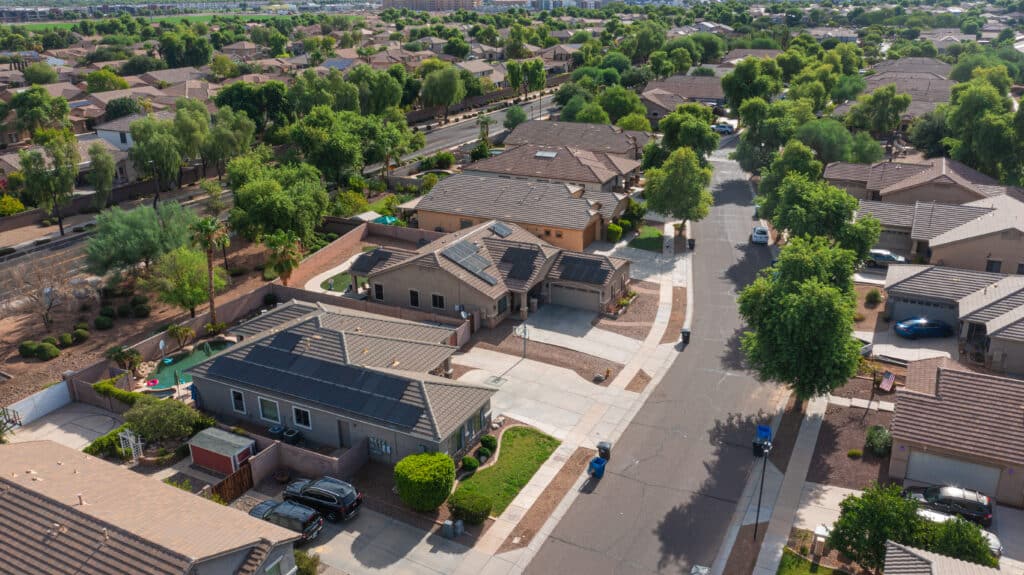
The biggest motivation for most homeowners is savings. Solar lets you produce your own electricity instead of buying it all from the utility. Depending on system size and how much electricity you use, you can produce some or all of the power your home needs. Many homeowners see their bill drop by about a third, and some systems offset nearly all grid purchases.
2. Higher home value
Many buyers will pay more for a home that already has solar. A study by the National Bureau of Economic Research found homes with solar sold for about $15,000 more on average, roughly a 4% premium.
3. Panels work across climates
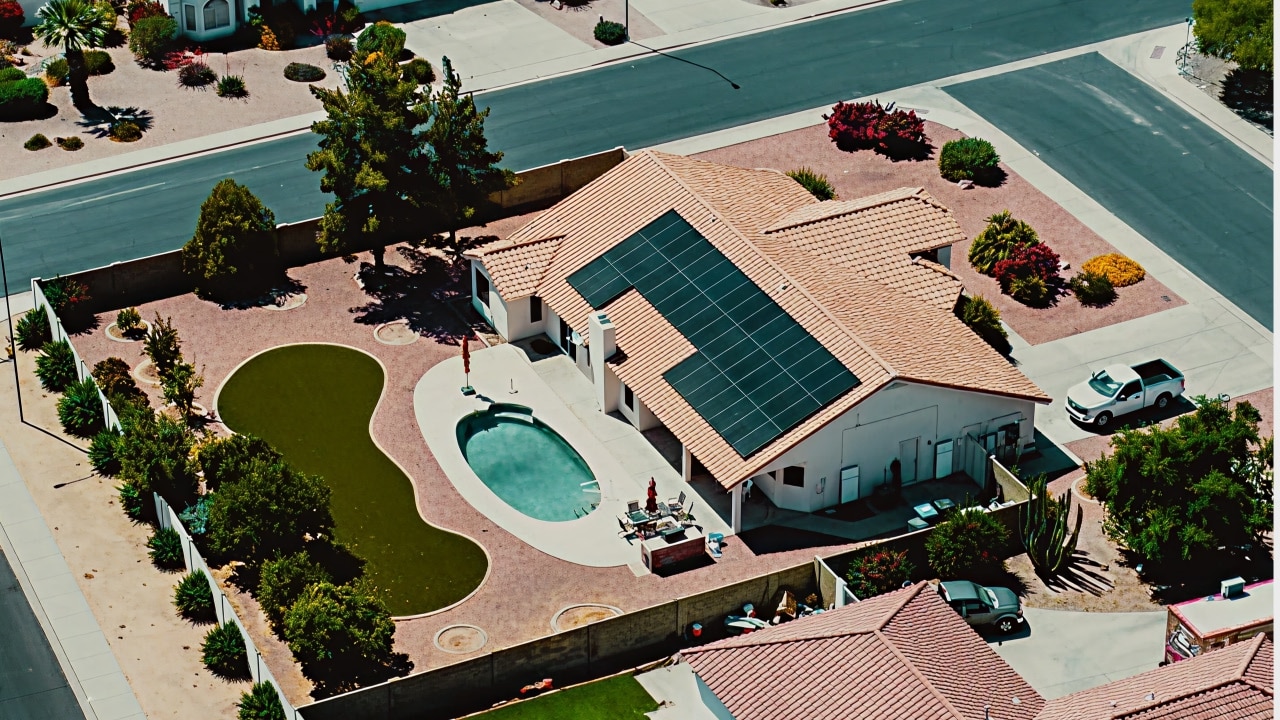
Solar panels produce power in heat, cold, and partly cloudy weather, though output is highest in strong, direct sun. That's why the Southwest is such a good fit. Good design accounts for local conditions like extreme heat, wind, and storms.
4. Long-lasting with little maintenance
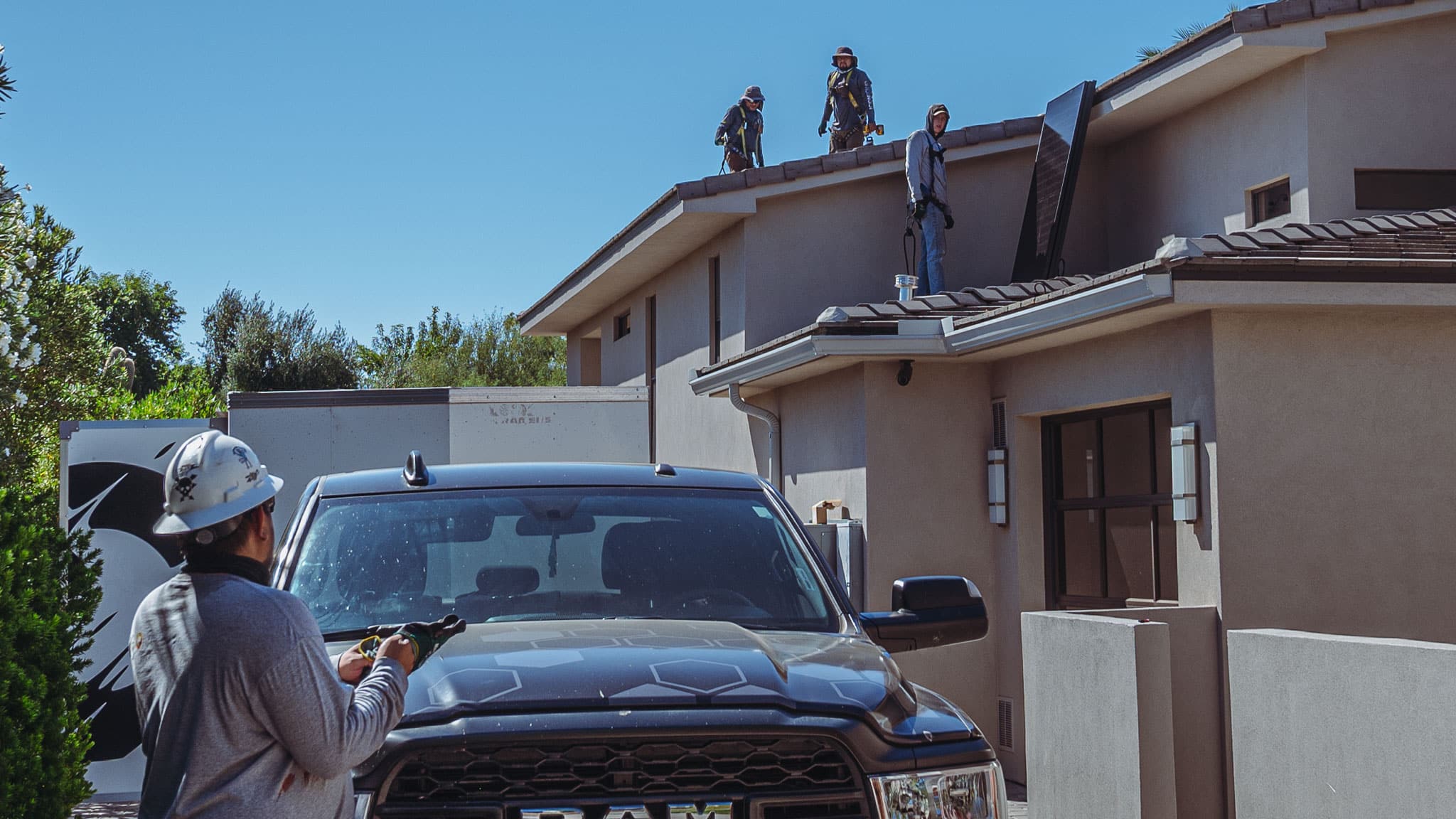
Panels are designed to last more than 25 years, and most high-quality panels carry warranties covering that period. With no moving parts, they need little to no maintenance unless something blocks sunlight from reaching the surface. The best way to ensure longevity is a high-quality installer who designs for your local climate. Read more about solar panel lifespan.
5. Credit for excess power
Where net metering or net billing applies, homeowners get credit on their bills for unused solar energy sent back to the grid. Even modest export programs can shorten the time to break even. Rules vary by state: see Arizona, Nevada, and Texas.
6. Long-term savings
Because panels last so long, a well-designed system pays for itself over time, and after that you're generating power from the sun at little cost. How fast you break even depends on your usage, your utility's rates, and how you finance the system. Since the federal homeowner credit ended after 2025, financing structure matters more than it used to. See financing options.
What are the cons of solar installation?
1. Not every roof is a good fit
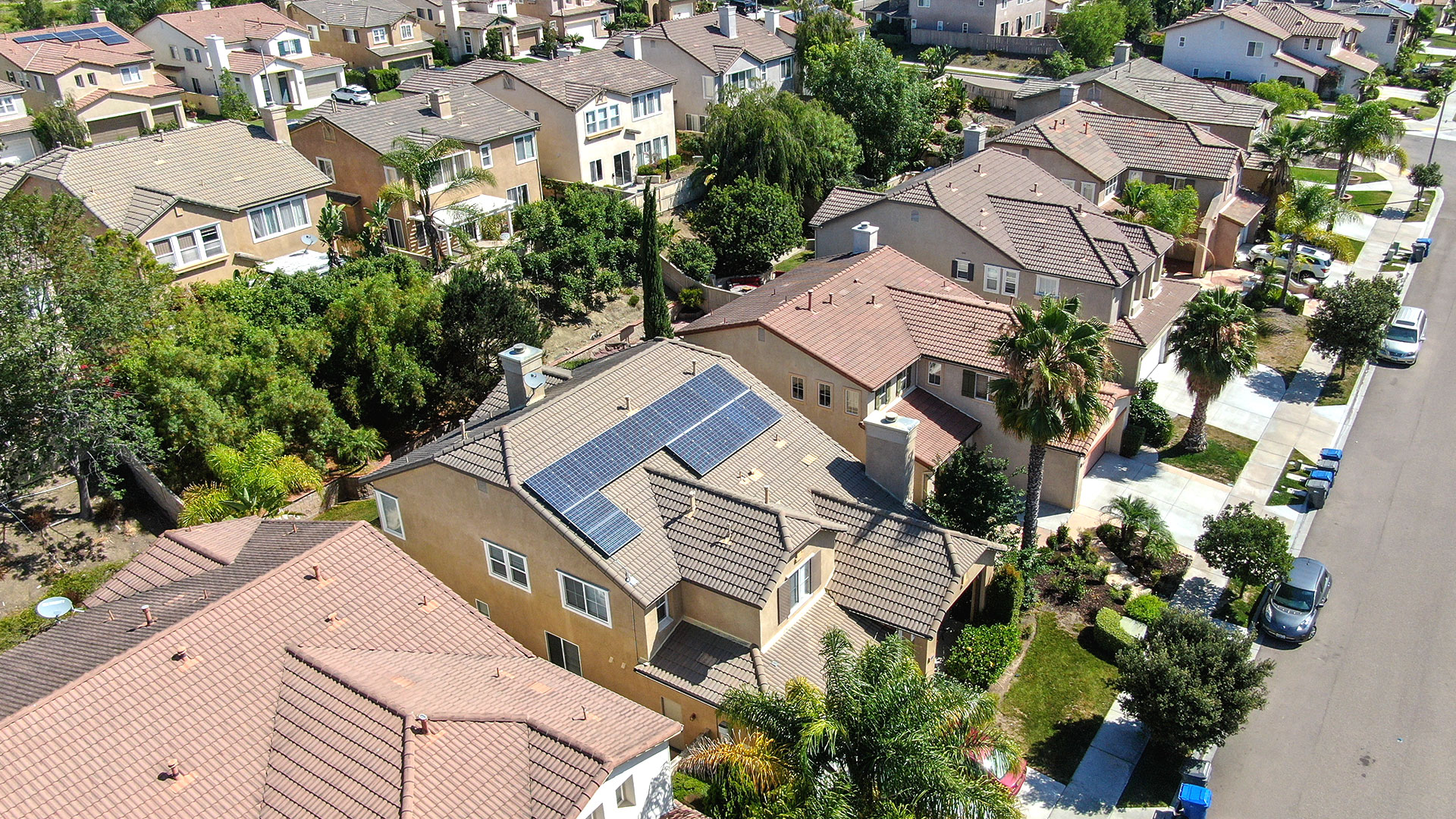
Some materials, like slate or cedar shake, are harder to install on, so ask whether your installer has experience with your roof type. Direction, angle, and shading also matter. If a large tree shades your roof most of the day, production will suffer.
2. No production at night
Solar needs sunlight, so panels don't produce at night. More homeowners now add a battery, like the Tesla Powerwall 3, to store excess daytime energy for use in the evening and during outages.
3. It doesn't move with you
Like any home improvement, you can't take solar with you when you move. The upside is that it can increase your home's value when you sell.
Frequently asked questions
Can you still have high electricity bills with solar panels?
Yes. Bills can stay high if production drops, rates go up, usage grows, or most of your use happens at night. See why your bill may still be high with solar for how to check each cause.
Is solar energy worth the investment?
For most homes in sunny states, yes. A well-designed system pays for itself over time and protects you from rising rates. Your payback depends on your usage, rates, and financing.
What are the top advantages of solar energy?
Lower bills (often about a third lower), higher home value (about 4% in studies), 25+ years of performance, low maintenance, credit for excess power where available, and long-term savings.
Do solar panels work at night?
No. Panels need daylight. Many homeowners add battery storage so they can use stored solar energy at night.
Video transcript
See what solar can do for your home
Get a free, no-obligation estimate designed around your roof, your bills, and your utility's rate plan.