How Many Solar Panels Do I Need?
Your panel count depends on how much electricity you use, how much usable roof you have, how much sun it gets, and the wattage of the panels. Here's how each factor works.
Quick answer
It depends on your electricity use, usable roof space, sun exposure, and panel wattage. As a very rough guide, an average 2,000 sq. ft. home might need somewhere around 40 panels, but your 12 months of utility bills and a roof assessment are what set the real number.
Are solar panels right for my house?
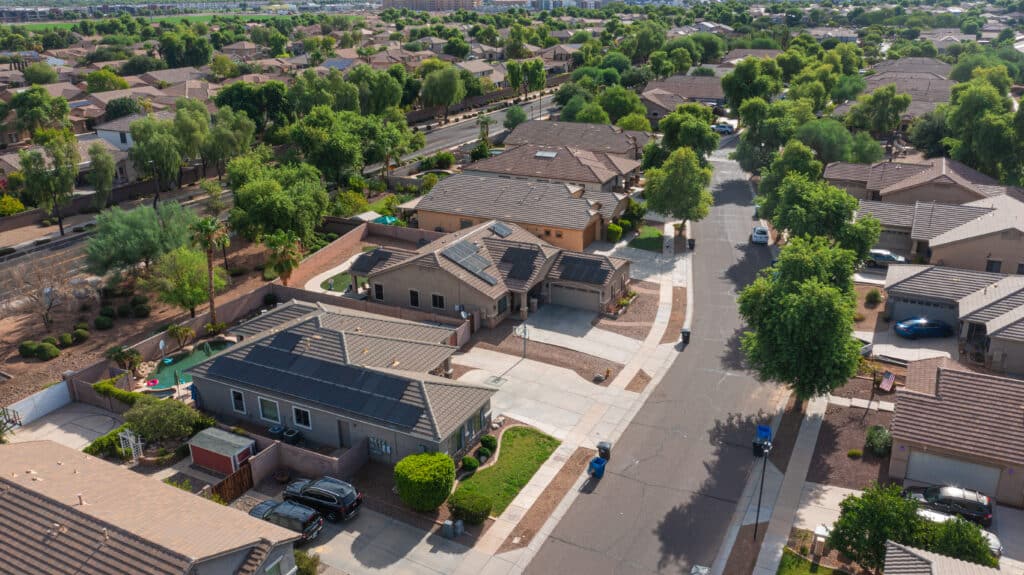
If you've driven through your neighborhood lately, you've seen solar panels on roofs in all kinds of configurations. In southwestern states like Arizona, Nevada, and Texas, chances are your home is well suited for solar. From a technical perspective, a few factors decide how many panels you need.
What determines how many solar panels you need?
Your current electricity use
This is the starting point. Many families follow a similar pattern: up early for work and school, gone during the day, then home during peak hours (roughly 4 to 8 PM) running the A/C, cooking, doing laundry, and charging devices. Other households use energy steadily all day. Those patterns create an energy-use profile unique to each home, and it changes by season.
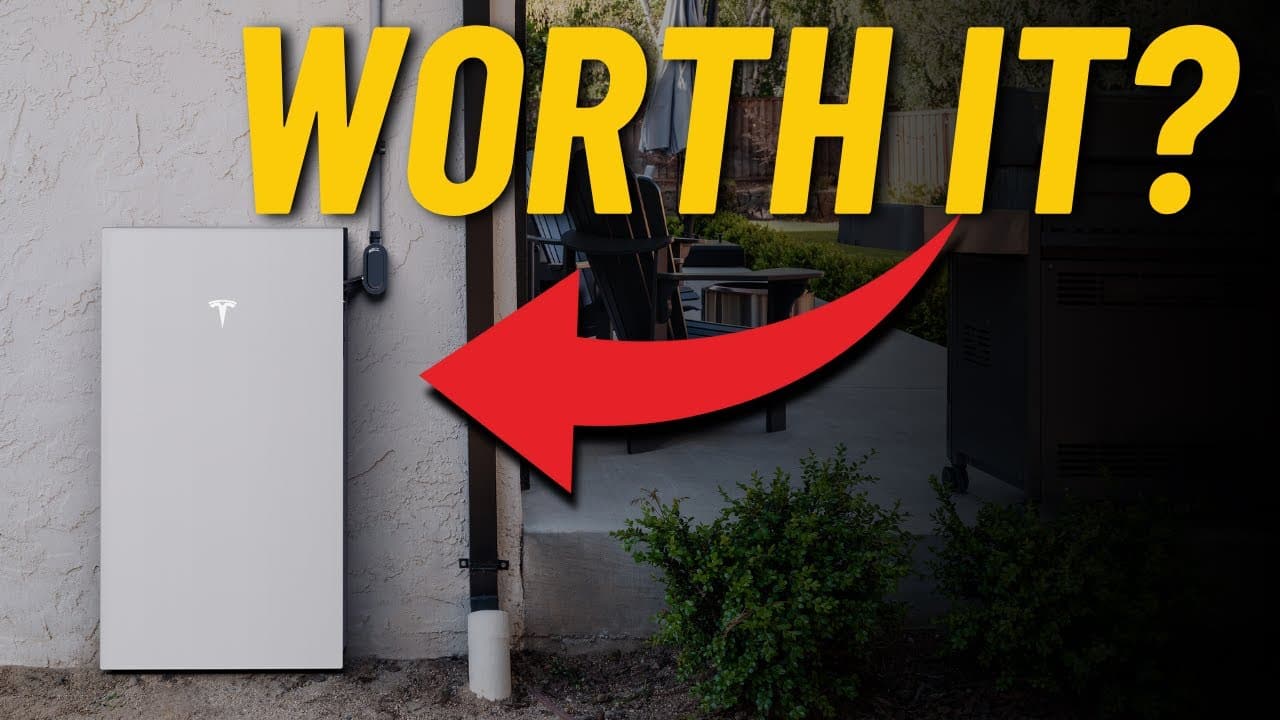
A good solar provider maps that usage from your utility bills and designs around it. If much of your use falls in expensive evening hours, your energy consultant may recommend adding a solar battery to offset peak costs.
The size and shape of your roof
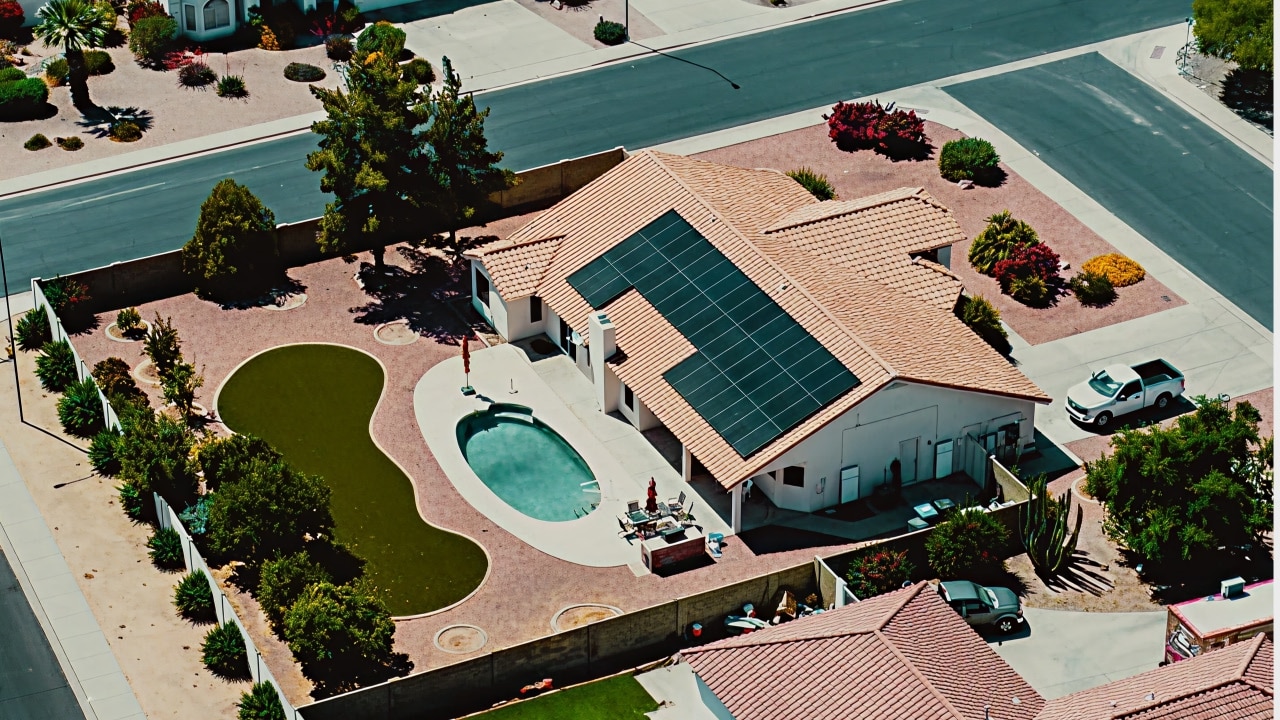
The open surface area of your roof sets the upper limit on how many panels fit. More isn't always better, though. The right number depends on your energy use and savings goals.
The wattage and quality of the panels
Not all panels are created equal. Brands like Qcells, REC, Hyundai, Canadian Solar, LONGi, Silfab, JA Solar, and Jinko make panels typically rated from around 300 W to 400 W or more. Higher-wattage panels mean fewer panels for the same output. Your energy consultant calculates how many watts you need based on your roof and usage, and a designer builds the optimal layout.
How much sunlight your roof gets
Your roof may be flat or angled, simple or complex. Areas shaded by other parts of the roof, chimneys, or tall trees may need to be avoided in the design. Less usable sun means you may need more panels, or higher-efficiency ones, to hit the same production.
The physical size of the panels
Panels range from compact designs (about 40 × 20 inches) to standard sizes of roughly 69 × 40 inches. If you have extra land or a shaded roof, a ground mount with larger-format panels (about 78 × 39 inches) can maximize production.
What affects solar panel output and efficiency?
Your energy consultant also looks at how your home sits relative to the sun. A roof with north and south faces performs differently from one facing east and west, and that affects output through the year.
The inverter matters too. There are two main types:
- String inverters: panels are wired together, so one shaded, dirty, or defective panel can reduce the output of the whole string.
- Microinverters: each panel has its own inverter, so a problem is isolated to that panel while the others keep producing.
Microinverters can seem like the obvious choice, but some situations call for a string system. Your energy consultant will help you choose based on your roof, budget, and savings goals.
How do I get an accurate panel count?
Request a free solar estimate. We'll look at your roof, your sun exposure, and 12 months of utility bills, then design a system sized to your savings goals. Get a free solar estimate →
Frequently asked questions
How many solar panels does the average house need?
It depends on energy use, roof size, and sunlight. Start with a free estimate, then work with an energy expert to set the right number for your home.
What are the advantages of solar energy for homes?
Lower electricity bills, protection from rising utility rates, higher property value, more energy independence, and clean, renewable power. State and utility incentives may also apply depending on where you live.
Can I run my house using only solar energy?
Yes, it's possible. Whether it's practical depends on system size, energy use, battery storage, sunlight, and your local utility's rules. A well-designed system can cover most residential needs.
How many solar panels do I need for a 2,000 sq. ft. home?
As a very rough estimate, an average 2,000 sq. ft. home needs somewhere around 40 panels, give or take. Your actual usage and roof matter more than square footage, so get a home-specific design.
How long can a house run on solar power alone?
With an appropriately sized system, battery storage, and efficient energy management, a house can potentially run on solar indefinitely. Without a battery, grid-tied systems shut off during outages.
Video transcript
See what solar can do for your home
Get a free, no-obligation estimate designed around your roof, your bills, and your utility's rate plan.