Premier Certified Tesla Installer
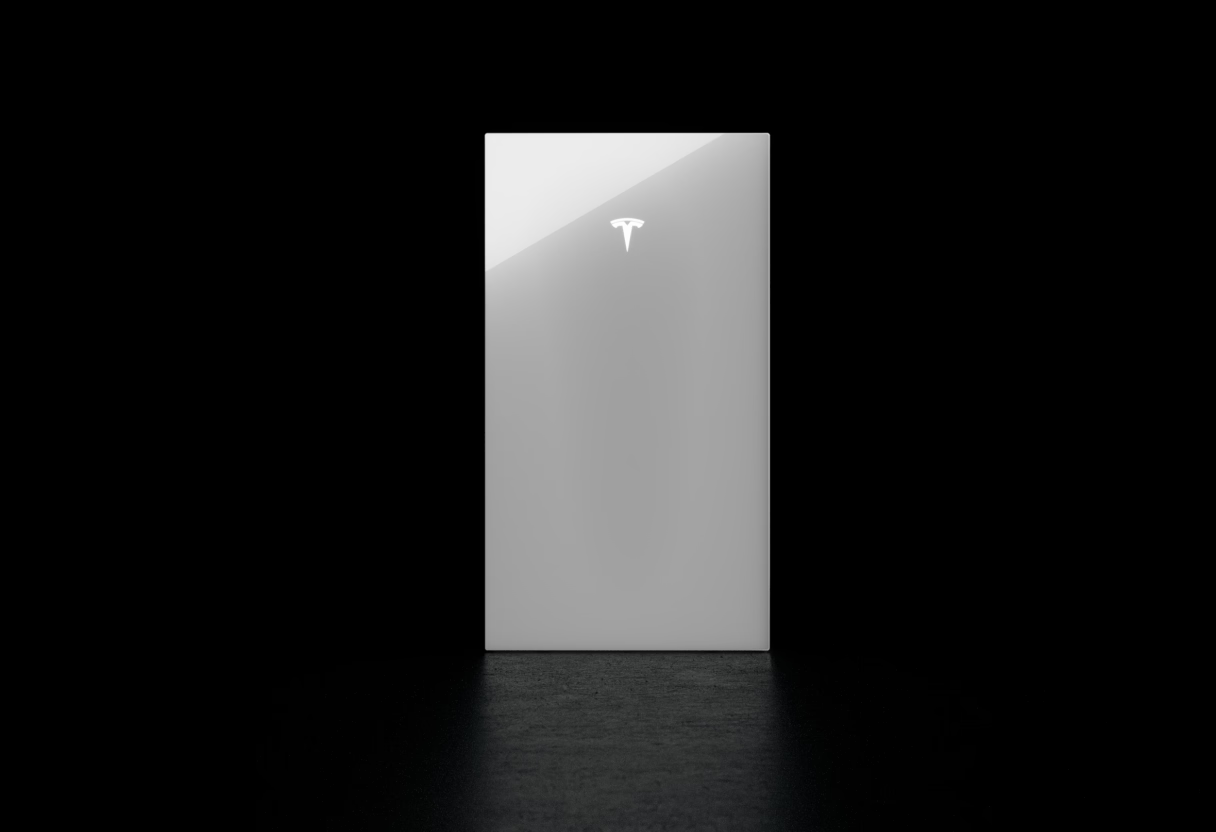
The Tesla Powerwall 3 is a home battery with a built-in solar inverter. It stores 13.5 kWh of energy and delivers up to 11.5 kW of continuous power, enough to run most homes, including central air conditioning, during an outage. Icon Power is a Premier Certified Tesla installer serving Arizona, Nevada, and Texas, and one accountable team handles design, installation, activation, and service.
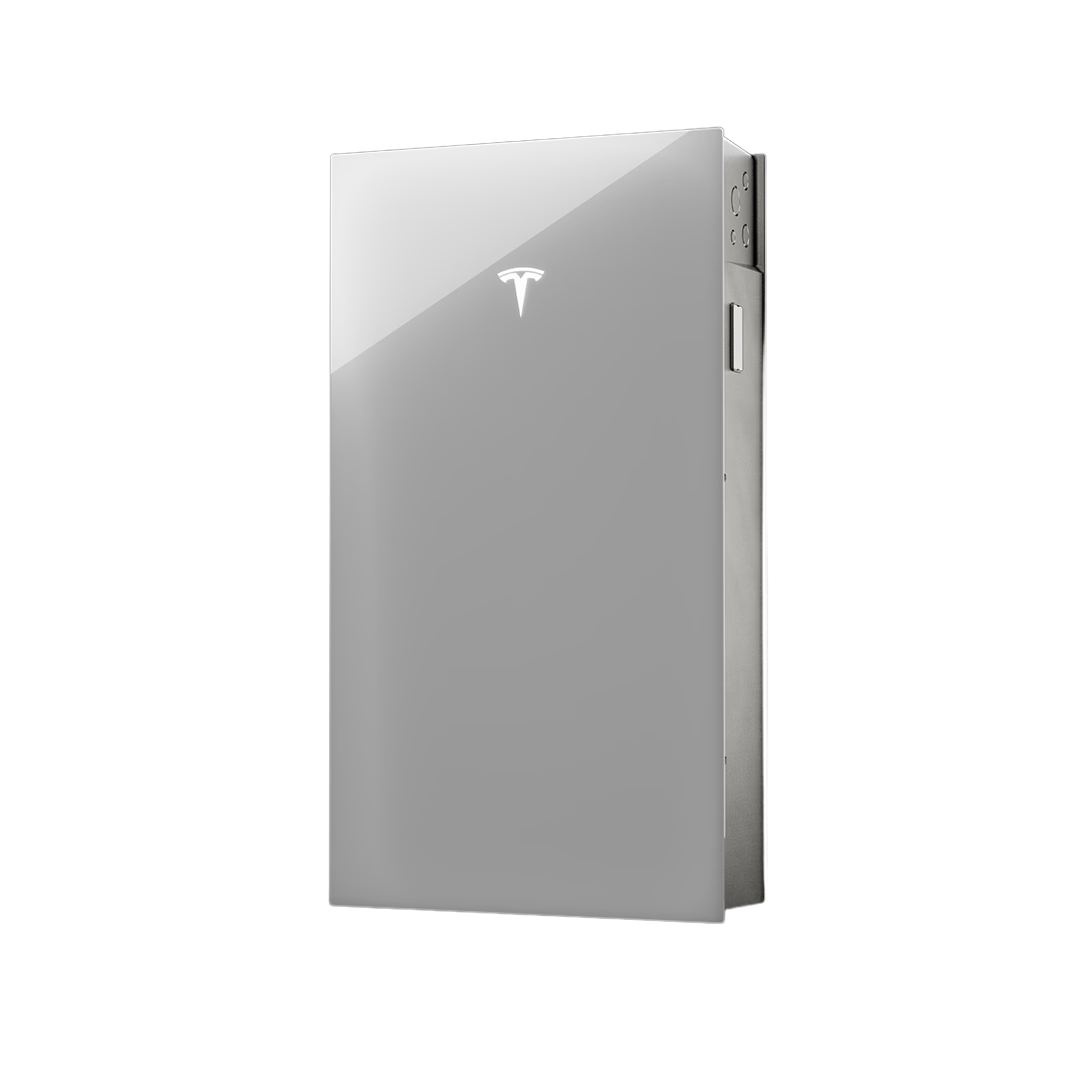
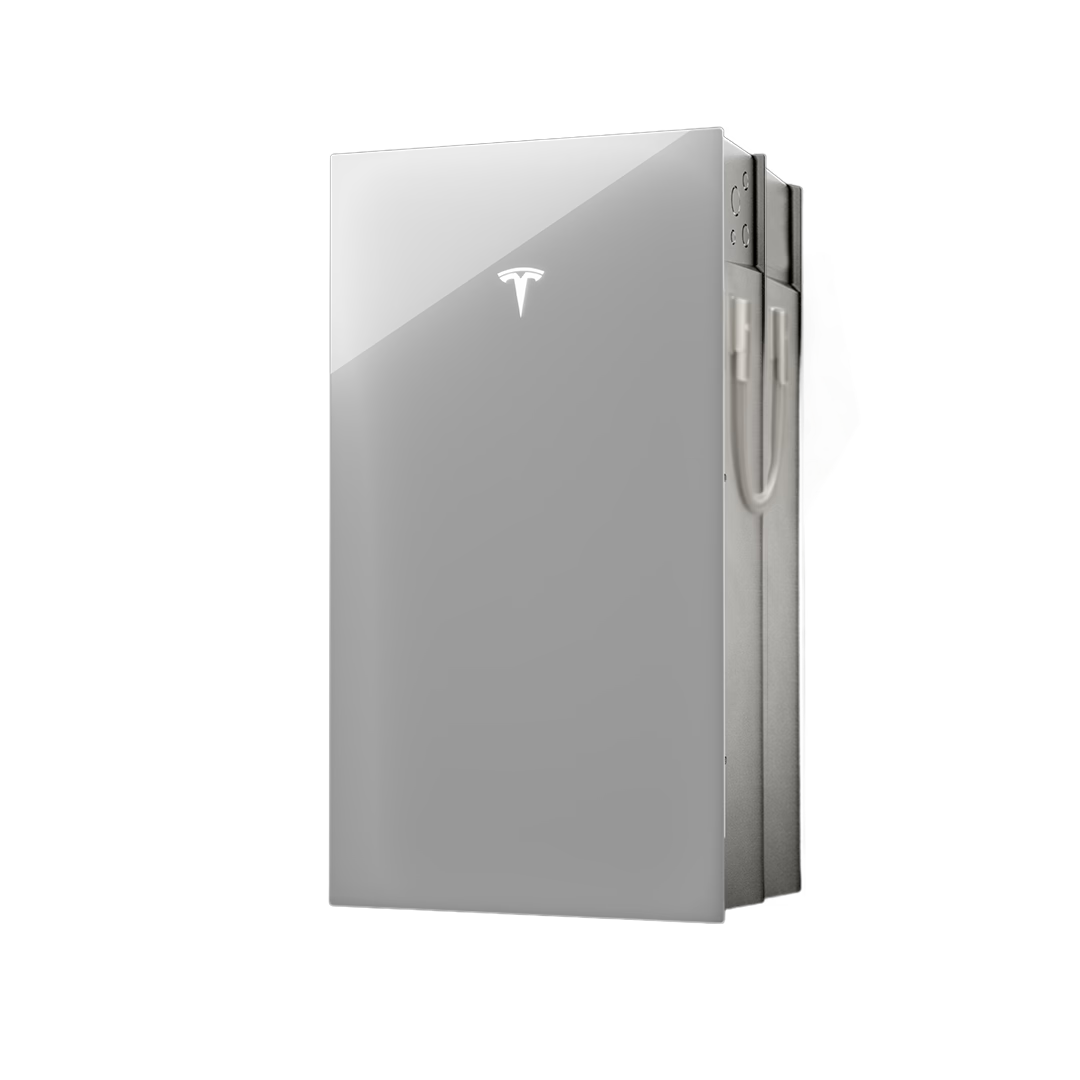
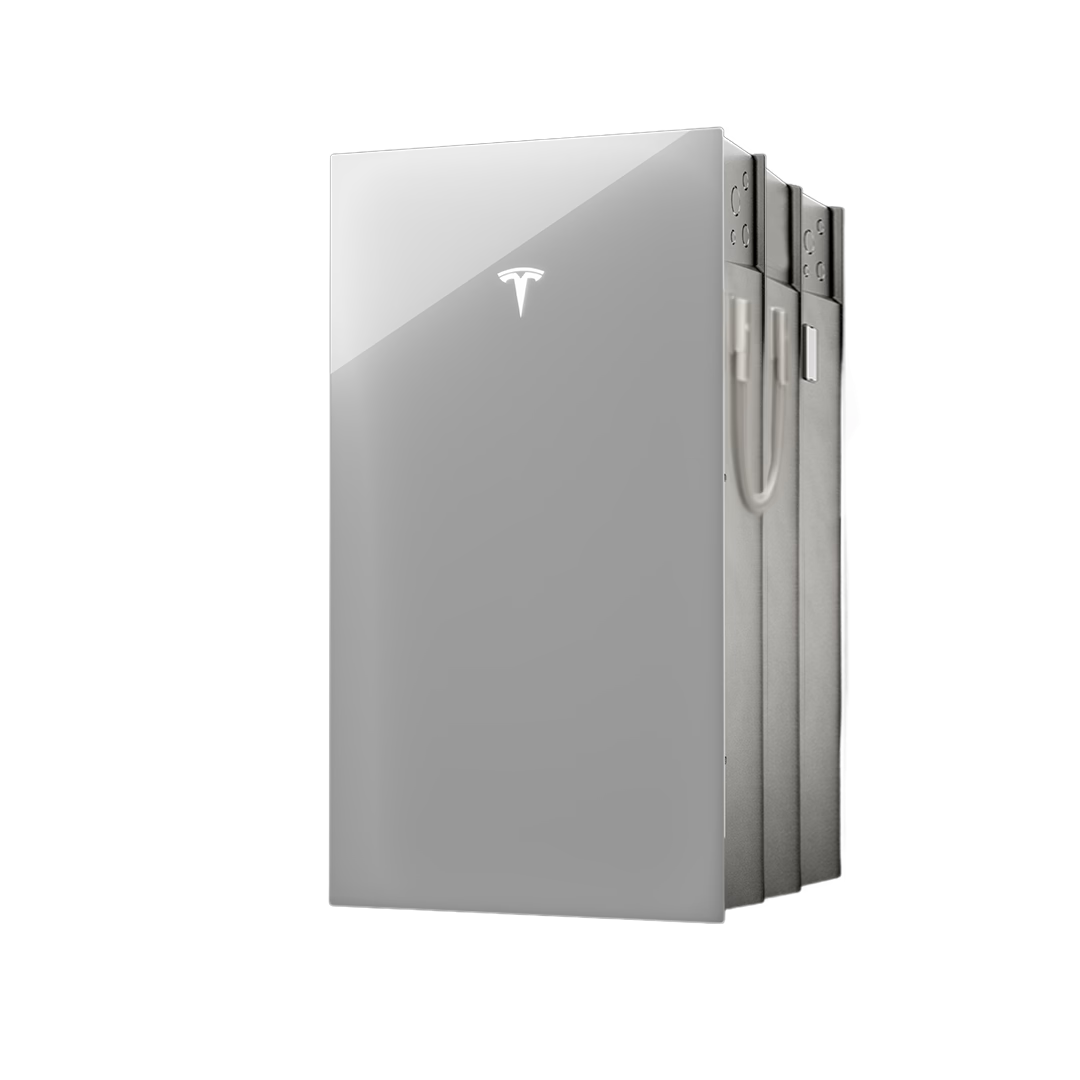
Powerwall 3 stores 13.5 kWh, delivers up to 11.5 kW continuously, and includes a solar inverter with six solar inputs. One unit can expand to 54 kWh.
| Specification | Powerwall 3 |
|---|---|
| Usable energy | 13.5 kWh |
| Continuous power (on-grid) | Up to 11.5 kW |
| Load start capability | 185 LRA |
| Solar input | Up to 20 kW DC |
| Solar inputs (MPPTs) | 6 |
| Built-in solar inverter | Yes |
| Solar-to-home efficiency | 97.5% |
| Expansion | Up to 3 Expansion units (54 kWh total) |
| Maximum per system | Up to 4 Powerwall 3 units |
| Operating temperature | -4°F to 122°F |
| Warranty | 10 years (Tesla) |
Specifications from Tesla's Powerwall 3 US datasheet. Continuous power is configurable; your installer sets it for your home.
Pricing
A single Tesla Powerwall 3 installed by Icon Power typically costs $12,000 to $17,000, depending on your electrical panel, where it's installed on your home, your utility, the financing you choose, and whether it's paired with new or existing solar. The price can be even lower with our prepaid lease option.
Own the battery outright with cash or financing. The 30% federal residential tax credit ended December 31, 2025, so batteries purchased in 2026 do not qualify for it.
Starting around $110 a month through our third-party ownership program. The program owner claims a federal commercial tax credit and passes the value to you through a lower monthly or prepaid price.
See how it worksGeneral information, not tax advice. Tax treatment varies; consult a tax professional.
One Powerwall 3 covers essential backup for most homes. Whole-home backup with central air conditioning usually takes two, and EV charging or pool equipment can call for a third unit or an Expansion pack. We size every system from 12 months of your actual energy use, your panel, and your HVAC.
Fridge, lights, Wi-Fi and outlets. Typical setup: 1 Powerwall 3, or 1 Powerwall 3 + Expansion
Central AC is the big load in desert summers, so most full-home backup designs land on two batteries. Exact count depends on your panel size, HVAC tonnage, and what you keep on backup. Typical setup: 2 Powerwall 3 units
EV chargers and pool pumps add sustained load on top of HVAC, so many homes need a third unit or an Expansion pack for comfortable overnight and peak use. Typical setup: 2 to 3 Powerwall 3 units, or 2 Powerwall 3 + Expansion
Charge from solar or off-peak rates, then run your home through expensive on-peak hours. One battery is enough for many homes; two is common if you also want partial backup or have a larger evening load. Typical setup: 1 to 2 Powerwall 3 units
Installed for the Southwest
The Powerwall 3 is rated to operate from -4°F to 122°F, but like every lithium battery, it performs best when it isn't baking. Tesla notes performance may be reduced above 104°F, a temperature Phoenix and Las Vegas regularly pass in summer.
Our installers plan each installation around the heat, with garage or shaded-wall placement, room for airflow, and orientation away from afternoon sun.
Yes, in most cases. The Powerwall 3 works with new solar through its built-in inverter, and with most existing systems through AC coupling, including systems with microinverters. We'll review your current inverter and electrical panel before recommending a setup.
We add Powerwalls to systems we didn't install, and we can take over monitoring and service for the whole system.
Why Icon Power
Tesla's Premier Certified designation recognizes installers for installation quality and volume.
We handle design, permitting, installation, utility approval, and activation in the Tesla app, and we stay your service contact for the life of the system.
Icon Power has installed more than 3,000 Tesla Powerwall batteries.
Switches to battery power on its own when it detects an outage.
No separate solar inverter needed for new solar systems.
Charges up ahead of forecasted severe weather, so you're ready before an outage.
Track solar, battery charge, and backup reserve from your phone, and shift use away from peak-rate hours.
It depends on what's running. A single Powerwall 3 stores 13.5 kWh, which can typically run essential loads like a refrigerator, lights, and Wi-Fi for about a day. Central air conditioning drains it much faster. Paired with solar, the Powerwall recharges during the day, extending backup through multi-day outages.
Not for batteries you purchase. The 30% federal residential credit ended December 31, 2025. On a third-party ownership monthly program, the program owner can claim a federal commercial credit and pass the value through in your payment. Some utilities also offer battery incentives, and availability varies. Tax treatment varies; consult a tax professional.
Yes, in most cases. Powerwall 3 connects to existing solar through AC coupling, including systems with microinverters. We'll review your inverter and electrical panel before recommending a setup.
Yes. A Powerwall 3 accepts up to three Expansion units, each adding 13.5 kWh, for up to 54 kWh in total.
The Powerwall 3 has a built-in solar inverter and more than double the continuous power: up to 11.5 kW, compared with 5 kW for the Powerwall 2. Both store 13.5 kWh. Powerwall 3 is the model Icon Power installs today.
Tesla provides a 10-year warranty on the Powerwall 3. Icon Power's workmanship warranty covers the installation for 25 years.
Installation itself usually takes one to two days. Including design, permitting, and utility approval, most projects take 6 to 12 weeks from signed agreement to activation, depending on your city or county.
Tell us about your home and your goals, whether that's backup, bill savings, or both. We'll recommend the right number of batteries and show you purchase and monthly options side by side.

