Powerwall 3 vs FranklinWH vs Enphase vs SolarEdge Nexis: Which Home Battery Fits Arizona?
Four home batteries compared for Arizona: how Powerwall 3, FranklinWH aPower 2, Enphase IQ Battery 10C and SolarEdge Nexis handle heat, APS and SRP rates, and existing solar.

Quick answer
It depends on what's already on your roof. Tesla Powerwall 3 gives the most continuous power from one unit (11.5 kW), FranklinWH aPower 2 has the largest single battery (15 kWh) and the longest warranty (15 years), and Enphase IQ Battery 10C fits homes with Enphase microinverters. In Arizona heat, a shaded install spot matters as much as the brand.
Which home battery is best for an Arizona home?
There's no single best battery for every Arizona home. The right one depends on what's already on your roof, how much of your house you want running in an outage, and where the battery will hang.
- Want the most backup power from one unit and a built-in solar inverter? Tesla Powerwall 3.
- Want the largest single battery and the longest warranty, or adding storage to solar you already have? FranklinWH aPower 2.
- Already have Enphase microinverters? Enphase IQ Battery 10C.
- Already on SolarEdge, or want to add capacity a few kWh at a time? SolarEdge Nexis.
All four are built to keep running in a Phoenix summer. What separates them in Arizona is how they handle heat at full output, how they fit APS and SRP rate plans, and whether they work with the system you have now.
How do Powerwall 3, FranklinWH, Enphase and SolarEdge compare?
- Most continuous power from one unit: Tesla Powerwall 3, 11.5 kW.
- Most storage in one unit: FranklinWH aPower 2, 15 kWh.
- Longest warranty: FranklinWH aPower 2, 15 years or 60 MWh. Enphase IQ Battery 10C is 15 years or 6,000 cycles. Powerwall 3 and Nexis are 10 years.
- Highest rated operating temperature: FranklinWH aPower 2 and SolarEdge Nexis, 131°F. Nexis drops to 113°F in direct sun.
- Smallest building block: SolarEdge Nexis, 4.65 kWh per block, up to 18.6 kWh per stack.
- Lowest continuous power per unit: Enphase IQ Battery 10C, 7.08 kW.
Specs are from each manufacturer's published datasheets as of November 2026. Most homes can stack more than one unit of any of these for more storage.
Why does heat matter so much for a home battery in Arizona?
A battery that's "rated to 122°F" will keep running at 122°F. That doesn't mean it delivers full power there. Every battery on this list protects its cells by cutting charge or discharge power when it gets too hot.
That matters here because the hottest hours line up with the hours you need the battery most. APS's on-peak window is 4 to 7 p.m. on weekdays, right when a west-facing wall or an unvented garage is at its hottest.
The makers say so in their own fine print:
- Tesla notes Powerwall 3 output may be reduced above about 104°F.
- Enphase recommends keeping the IQ Battery 10C out of direct sunlight so charging and discharging aren't throttled. Its ideal range is 32 to 86°F.
- SolarEdge caps Nexis at 113°F ambient when installed in direct sun, versus 131°F in shade.
- FranklinWH rates aPower 2 to 131°F.
Placement does as much as brand. A shaded north or east wall, or a garage with airflow, keeps any of these batteries closer to full output on a 115°F afternoon. A good installer plans the spot before picking the battery, not after.
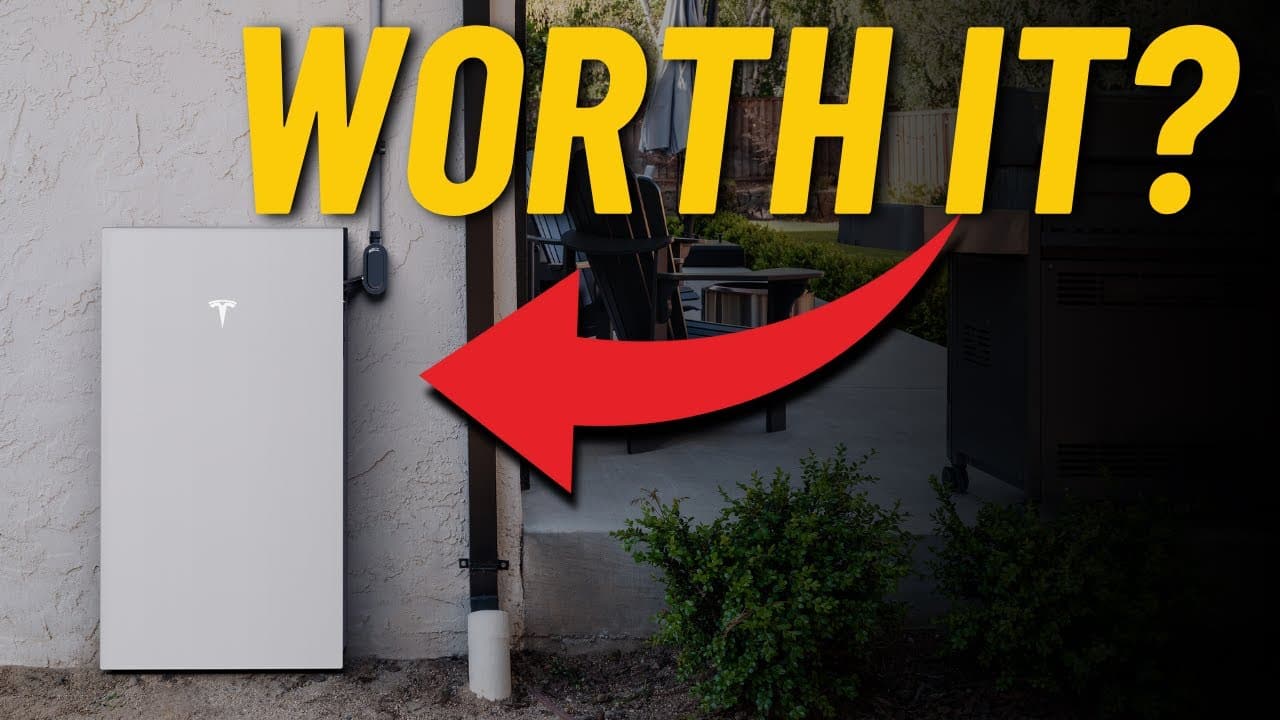
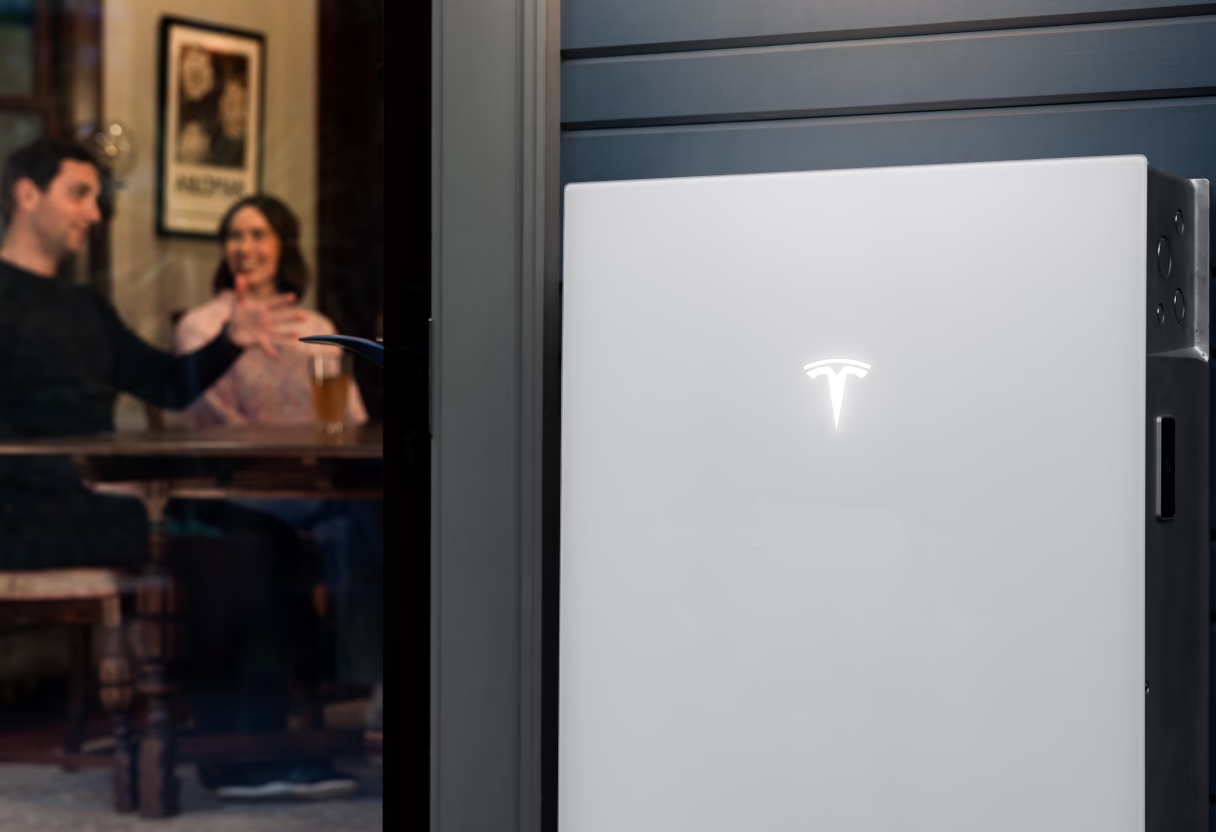
Tesla Powerwall 3: the most power from one box
- Usable capacity: 13.5 kWh per unit
- Continuous power: 11.5 kW
- Rated operating range: –4°F to 122°F
- Warranty: 10 years
Powerwall 3 puts out the most continuous power of any single unit here. That's enough to start and run central AC in many homes during an outage. See how many Powerwalls a home needs.
It also has a solar inverter built in. On a new solar install, that means one fewer piece of equipment on the wall. You can add up to three Powerwall 3 Expansion units, 13.5 kWh each, without adding more inverters.
Good to know in Arizona:
- Plan the location for shade. Tesla notes output may drop above about 104°F.
- The 10-year warranty requires Powerwall to stay connected to the internet.
- Powerwall is one of the batteries accepted in SRP's Battery Partner program.
- Icon offers Powerwall 3 through a monthly program with no upfront cost. Your monthly price depends on whether you're adding solar too and how the battery connects to your home.
Best for: new solar plus battery, and homeowners who want whole-home backup from the fewest units.
FranklinWH aPower 2: the biggest single battery, the longest warranty
- Usable capacity: 15 kWh per unit
- Continuous power: 10 kW, with 15 kW for 10-second surges
- Rated operating range: –4°F to 131°F
- Warranty: 15 years or 60 MWh
aPower 2 stores the most of any single unit here, and its surge rating helps with loads like an AC compressor starting. It uses lithium iron phosphate (LFP) cells, a chemistry known for thermal stability. Up to 15 units can run on one aGate controller.
aPower 2 is AC-coupled, so it connects alongside a solar inverter rather than replacing it. That makes it a strong option for adding storage to a system you already own.
Good to know in Arizona:
- FranklinWH was the first battery accepted in both SRP's Battery Partner program and APS's Storage Rewards pilot (January 2026).
- It's a large, heavy unit, so wall space and placement need planning.
Best for: homes that want to run more circuits for longer, and owners adding a battery to existing solar.
Enphase IQ Battery 10C: built for Enphase systems
- Usable capacity: 10 kWh per unit
- Continuous power: 7.08 kW, with 14.16 kW peak
- Rated operating range: –4°F to 122°F charging, up to 131°F discharging
- Warranty: 15 years or 6,000 cycles
Inside are four grid-forming microinverters. It uses LFP cells and cools passively, with no fans. It works with Enphase IQ and M Series microinverters, which makes it the natural add-on for homes already running Enphase.
Good to know in Arizona:
- Enphase's ideal range is 32 to 86°F, and it recommends avoiding direct sunlight. Shade or a garage install matters more with this battery than with the others.
- Its 7.08 kW continuous output is lower than Powerwall 3 or aPower 2, so whole-home backup with large AC loads may take two units.
Best for: homes with Enphase microinverters that want a battery from the same maker and one monitoring app.
SolarEdge Nexis: storage in smaller blocks
- Usable capacity: 4.65 kWh per block, up to 18.6 kWh per stack
- Continuous power: 3.5 kW per block, up to 13 kW per stack
- Rated operating range: –4°F to 131°F (113°F max in direct sun)
- Warranty: 10 years
Nexis is SolarEdge's newest battery, rolling out in North America in 2026. Instead of one big box, it stacks blocks, one to four per stack. It uses LFP cells and pairs with SolarEdge's Nexis inverter.
Good to know in Arizona:
- On a sun-facing wall in July, the 113°F direct-sun limit is real.
- Because it's new, there's less long-term field history in desert heat than for the other three.
Best for: homes already built on SolarEdge, and buyers who want to size storage closely and add blocks later.
Icon doesn't install Nexis today. If you have a SolarEdge system, we can add a Powerwall 3 or FranklinWH aPower 2 instead and help you compare the options.
Can you add a battery to solar you already have?
Yes. If you already have solar, we can add a Tesla Powerwall 3 or a FranklinWH aPower 2 to it. Which one fits depends on how much backup power you want and where the battery can go.
- Enphase microinverters: Powerwall 3 or aPower 2. Enphase's own IQ Battery 10C is also built for these systems.
- SolarEdge inverter: Powerwall 3 or aPower 2. SolarEdge's Nexis battery pairs with its newer Nexis inverter.
- Another inverter brand: Powerwall 3 or aPower 2. aPower 2 is AC-coupled, so it sits alongside your existing inverter.
Three questions to ask any installer before adding a battery:
- Will adding the battery affect the warranty on my existing panels or inverter?
- Does my main electrical panel have room, or will it need an upgrade?
- Will my utility interconnection need to be updated, and who handles that paperwork?
Icon handles design, permits, utility paperwork, installation and service with one accountable team.
How do APS and SRP rates change the math?
In the Valley, a battery does two jobs: backup during outages, and covering your home during the evening peak so you buy less grid power when it costs the most.
- APS: on-peak hours are 4 to 7 p.m. on weekdays, and APS solar customers are on time-of-use plans. On the demand-charge plan, your bill also includes a charge based on your single highest hour of grid use in that window. A battery that covers 4 to 7 p.m. keeps that number low.
- SRP: SRP's newer solar plans put the peak later in the evening. Conserve 6–9 p.m. and Save has on-peak hours of 6 to 9 p.m. on weekdays and no demand charge. Manage Demand 5–10 p.m. and Save runs on-peak from 5 to 10 p.m. on weekdays and adds a demand charge based on each day's highest hour of on-peak use. Both have super off-peak pricing from 8 a.m. to 3 p.m. Since the sun is down for most of those hours, the battery does the heavy lifting, and a five-hour peak takes more stored energy to cover than APS's three. Older SRP solar plans, including Customer Generation, stay open until the November 2029 billing cycle.
For peak shaving, continuous power matters as much as capacity. If your AC, oven and pool pump run at 5 p.m., the battery has to cover all of them at once, not just store enough energy. More on this in how APS and SRP rate plans affect solar and storage.
Utility battery programs. SRP's Battery Partner program and APS's Storage Rewards pilot pay battery owners for letting the utility draw on stored energy during high-demand events. Eligible batteries vary by program. FranklinWH and Tesla are accepted in SRP's program. You sign up directly with SRP or APS once your battery is running.
Savings depend on your rate plan, your usage and how the battery is set up.
How does Icon Power help you choose?
We're a Tesla Certified Premier Installer and an Enphase Silver Installer, and we install FranklinWH too, so we can recommend the battery that fits your home instead of the only one we carry.
Here's how we narrow it down:
- Look at what you have. Existing solar brand, panel capacity, and where the battery can go out of the afternoon sun.
- Look at what you want covered. Essential circuits only, or the whole house, AC included.
- Look at your bill. Your APS or SRP plan and when your usage peaks.
- Match the battery and the number of units. Then we handle design, permits, utility paperwork, installation and service with one accountable team.
Icon Power is based in Tempe and has completed more than 8,000 installs across residential, commercial and battery-only projects.
Get a battery recommendation for your home →
Frequently asked questions
Which home battery handles Arizona heat best?
FranklinWH aPower 2 and SolarEdge Nexis carry the highest rated operating temperature, 131°F, though Nexis drops to 113°F in direct sun. In practice, a shaded install location matters as much as the brand, because every battery reduces power when it runs hot.
Can I install a battery in my garage in Phoenix?
Often, yes. A garage keeps the battery out of direct sun, but an unvented garage can still get very hot in summer. Your installer should check airflow, clearances and local code before choosing the spot.
How long will a battery run my house in an outage?
Divide usable capacity by what you're running. A 13.5 kWh battery powering 1.5 kW of essentials (fridge, lights, Wi-Fi, a few outlets) lasts about 9 hours. Running central AC uses it much faster. With solar, the battery recharges during the day.
How many batteries do I need?
It depends on two things: how many kWh you want stored, and how many kW you need at once. Homes that want to run central AC during an outage often need more continuous power, which can mean a second unit with lower-output batteries.
Do I need solar to get a battery?
No. A battery can charge from the grid off-peak and cover your home during the evening peak. Most Arizona owners pair it with solar so it charges from their own panels. We install Tesla Powerwall 3 and FranklinWH aPower 2 as standalone batteries.
Is there still a federal tax credit for home batteries?
The residential clean energy credit that covered homeowner-purchased batteries ended December 31, 2025. Batteries owned through a third-party program, like our monthly battery program, can still qualify for the federal clean energy investment credit (Section 48E). The program owner claims it and can reflect it in your price. Tax treatment varies. Consult a tax professional.
Specifications are from each manufacturer's published datasheets as of November 2026 and may change. Actual performance depends on installation location, temperature, system design and usage. Savings depend on your utility rate plan and energy use.
Video transcript
See what solar can do for your home
Get a free, no-obligation estimate designed around your roof, your bills, and your utility's rate plan.