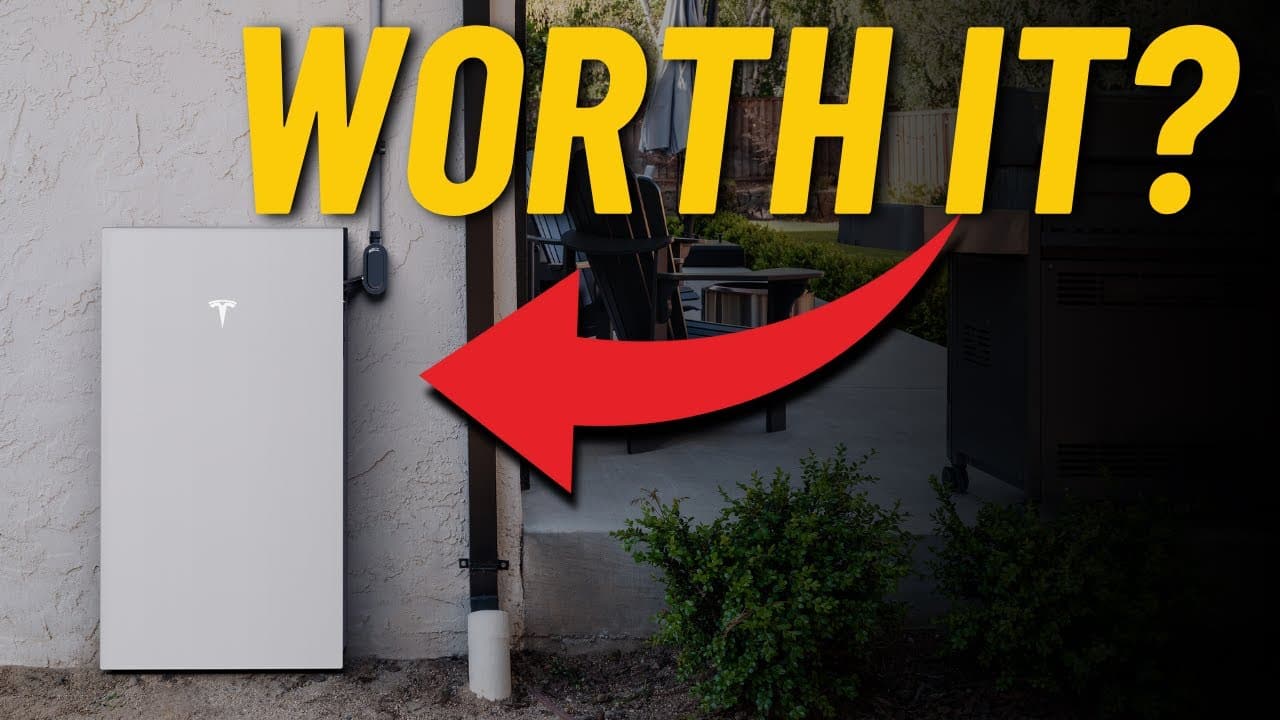
A Tesla Powerwall 3 From About $120 a Month: Prepaid and Monthly Options in 2026
The homeowner tax credit ended, but a third-party ownership program can still capture 30%+ in savings. Here's how the prepaid and ~$120/month Powerwall 3 options work.

Quick answer
Yes. Even though the homeowner-claimed federal credit ended on December 31, 2025, Icon Power's battery program uses third-party ownership, so the program provider claims the tax credits under Section 48E and builds them into your price. You can prepay at 30% or more below today's cash price, or add a Tesla Powerwall 3 to a new solar agreement from about $120 a month.
Can you still get 30% off a home battery in 2026?
Here's the sentence that has confused nearly every homeowner we've talked to this year: the federal solar tax credit is gone, and you can still get 30% off or more.
Both halves are true. The residential tax credit ended on December 31, 2025. If you buy a battery outright with cash or a loan in 2026, there's no federal credit for you to claim.
But the tax code has a second door, and it's the reason Icon Power's battery program offers two ways to add storage that still capture the full federal benefit. Here's how it works, what a Powerwall 3 actually does for a home in the Southwest, and what about $120 a month buys you.
How does Section 48E make the savings possible?
When a homeowner owns the battery, the expired residential credit is the only one that could have applied. Under a third-party ownership program, the program provider owns and maintains the system on your home. That makes the battery commercial property, and commercial clean energy equipment can qualify for the 30% federal Investment Tax Credit under Section 48E when it meets current IRS requirements.
The provider claims that credit and builds it into your pricing. That's exactly how the IRS designed third-party ownership to work, and it gives you two ways in:
- The prepaid option: one payment, up front, at a price that reflects 30% off or more versus today's cash purchase, because the credit (plus adders, where they apply) is baked in.
- The monthly option: no big check at all. As an add-on to a new Icon Power solar agreement, a Tesla Powerwall 3 starts at around $120 a month.
Timing matters on the solar side: under current rules, new solar has to begin construction by July 4, 2026 or be in service by December 31, 2027 to qualify. Batteries don't have that 2027 cutoff, but starting in 2026 the equipment has to meet new federal sourcing rules, which the program provider is responsible for. Since the program provider claims the credit, nothing here shows up on your tax return. We're solar people, not tax advisors, so confirm anything tax-related with a professional.
What does a Powerwall 3 do for your home?
The Tesla Powerwall 3 stores 13.5 kWh and has an 11.5 kW integrated inverter, enough to start and run heavy loads like an air conditioner, which older batteries struggled with. In practice it does two jobs.
Job 1: Backup power when the grid fails
Monsoon outages in Phoenix, winter storm memories in Texas, high-wind shutoffs: when the grid drops, a Powerwall 3 keeps the essentials (and with the right configuration, the A/C) running automatically, with no generator noise and no gas cans. Paired with solar, it recharges from your roof every day the sun comes up, so a multi-day outage doesn't mean a dark house.
Job 2: Rate arbitrage
Time-of-use plans in Arizona, Texas, and Nevada charge the most for power when you need it most: late afternoon and evening. A battery flips that math:
- Charge the battery with solar (or cheap off-peak power) during the day.
- Discharge during expensive peak hours instead of buying from the grid.
- Repeat automatically, every day, without you touching anything.
As grid demand from data centers pushes peak prices higher, the value of that daily arbitrage grows with it.
Is the battery program better than buying outright in 2026?
Cash or loan purchase
- Federal credit: none (the homeowner credit expired)
- Upfront cost: $15,000+ typical installed
- Monthly payment: loan payment, no credit offset
- Maintenance and warranty: yours to manage
- Backup and rate savings: yes
Icon Power battery program
- Federal credit: 30%+ captured through Section 48E and priced in
- Upfront cost: $0 down (monthly option) or discounted prepaid
- Monthly payment: from about $120/month as an add-on to a new agreement
- Maintenance and warranty: covered under the program
- Backup and rate savings: yes, same hardware and performance
The battery on your wall is identical either way. The difference is who gets to claim the tax credit, and in 2026 only one of these paths captures it.
Who is the Powerwall 3 program for?
- New Icon Power customers: adding a Powerwall 3 to a new solar agreement from about $120 a month is the lowest starting cost we've offered for a whole-home battery.
- Existing solar owners: ask us about storage add-on options for your system. Outage protection and peak-hour savings don't require starting over.
- Anyone burned by an outage: if last summer's storms had you throwing out a freezer full of food, this is the fix.
Frequently asked questions
Didn't the battery tax credit expire?
The homeowner-claimed credit expired December 31, 2025. The commercial credit (Section 48E) did not, and a battery installed under a third-party ownership program qualifies because the program provider owns the system. That's how both the prepaid and monthly options still deliver 30%+ in savings in 2026. Tax treatment varies. Consult a tax professional.
What does "from about $120 a month" include?
A Tesla Powerwall 3 added to a new Icon Power solar agreement, including hardware, installation, monitoring, and warranty coverage under the program. Exact pricing depends on your home, configuration, and credit approval.
What's the difference between the prepaid and monthly options?
Same battery, same installation, same coverage. Prepaid is one up-front payment at 30% or more below today's cash price. Monthly spreads it out from around $120 a month with nothing down. Which wins depends on your cash position, and we'll run both numbers for you.
Will a Powerwall 3 run my air conditioner during an outage?
Its 11.5 kW inverter is designed to start and run major loads, including many central A/C units. Configuration matters, and we design for it during your assessment.
How long will a Powerwall 3 power my home?
It stores 13.5 kWh. For essentials (fridge, lights, Wi-Fi, fans) that's typically a day or more. Paired with solar, it recharges daily and can carry a home through extended outages.
Can I install more than one Powerwall 3?
Yes. Powerwall 3 systems expand, and larger homes or whole-home backup goals often use two or more.
The bottom line
The tax credit didn't disappear. It moved. Icon Power's battery program routes the 30%+ federal benefit back to you as a lower price, whether you prepay once or start at about $120 a month. With peak rates heading where the forecasts say, the best time to put a battery between you and the grid is before the next rate case, not after.
Video transcript
See what solar can do for your home
Get a free, no-obligation estimate designed around your roof, your bills, and your utility's rate plan.