Data Centers Are Rewriting Your Electric Bill in Arizona, Texas, and Nevada
The AI boom is filling the Southwest with always-on data centers. Here's what the forecasts say for Arizona, Texas, and Nevada, and why owning your own generation is the one variable you control.
Quick answer
Data centers are a major new driver of rising electricity costs in the Southwest. ERCOT forecasts Texas demand could nearly double in about six years, and NV Energy projects data centers could reach 64% of Nevada's electricity sales by 2046. Rooftop solar, especially with a battery, locks in part of your power cost so future rate increases matter less.
Why are electricity prices rising in the Southwest?
For twenty years, planning household energy costs was easy: rates crept up a little every year, predictably. From 2005 to 2019, total U.S. electricity demand barely grew at all, about 0.1% per year.
That era is over. The AI boom is filling the Southwest with data centers: enormous, always-on power consumers that never sleep, never go on vacation, and never turn down the thermostat. U.S. demand growth has already jumped to 1.7% per year since 2020, and federal forecasters expect it to accelerate.
Here's what the forecasts say for the three markets where most of our customers live, and why owning your own generation is the one variable you control.
How are data centers affecting Arizona?
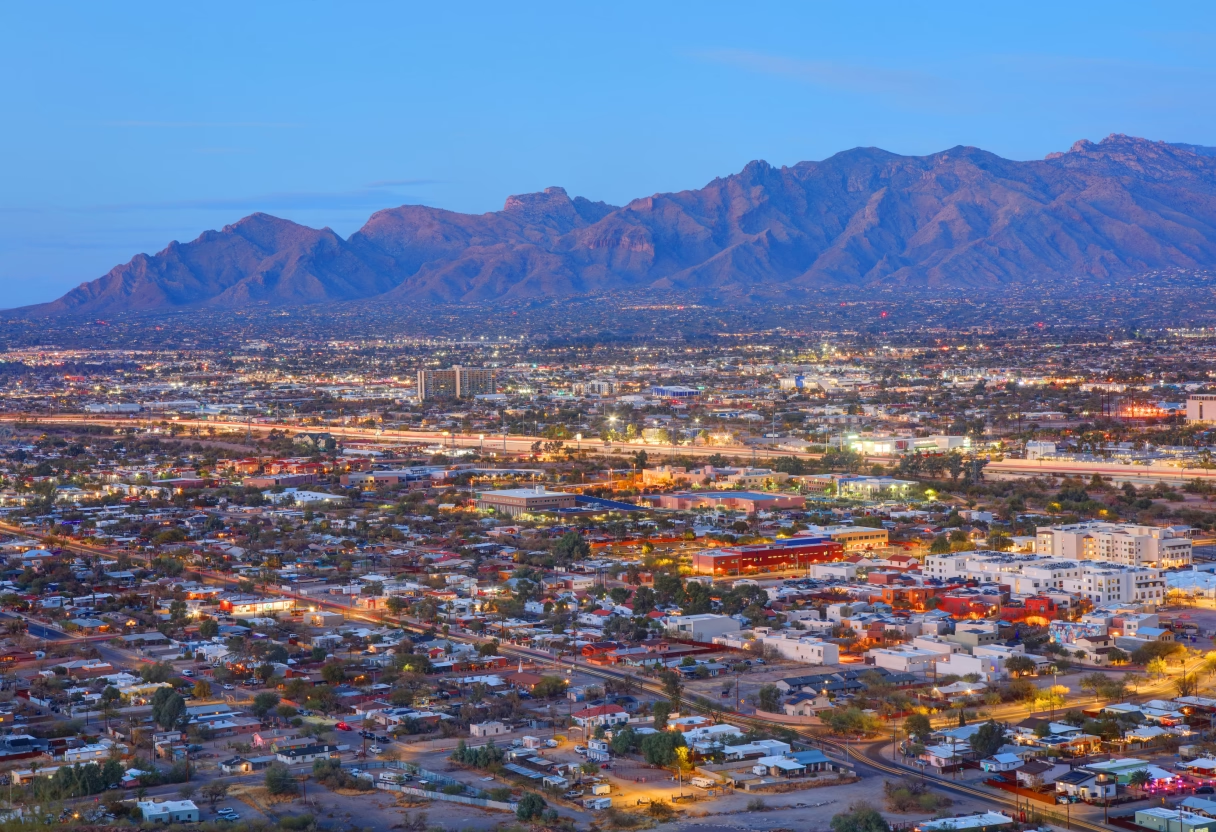
Phoenix is one of the fastest-growing data center markets in America, and in the desert the strain shows up twice: on the grid and in the water supply.
A 2026 study by the sustainability nonprofit Ceres examined 124 data centers built or planned in the Phoenix area. It projected their direct water use could grow nearly tenfold in six years, from about 385 million gallons a year to 3.7 billion. Add the water used to generate their electricity, and the combined draw approaches 18 billion gallons annually, potentially increasing local water stress in parts of the Valley by up to 17%.
More demand on the grid, more strain on water, more infrastructure to fund, in a state where summer peaks already push the system hard. Arizona's utilities say data centers will pay their way. The forecasts are why we think homeowners should hedge anyway.
How much could Texas electricity demand grow?
Texas is the epicenter. ERCOT, the state's grid operator, forecasts that power demand could come close to doubling within roughly six years, driven overwhelmingly by data centers and other large industrial loads.
The U.S. Energy Information Administration modeled what that means for prices. In its high-demand scenario, wholesale power at the ERCOT North hub in 2027 could run almost 79% above the baseline forecast. That's a conditional scenario, not a certainty, but the fact that federal analysts are modeling near-80% wholesale spikes shows how wide the range of outcomes has become.
Wholesale prices aren't your retail rate, but they flow into it, especially in Texas's competitive market where many customers re-shop plans every year.
How much of Nevada's power could data centers use?
NV Energy's long-term resource plan lays it out: data centers account for about 5% of Nevada's electricity sales today and could account for 64% by 2046. The utility has received service requests from 39 prospective data center customers totaling roughly 16,500 megawatts, and is asking regulators to approve $3.2 billion in transmission upgrades. The state's system capacity may need to double by 2050.
NV Energy says new rules should make data centers fund their own infrastructure, and regulators will decide how well that holds. But the utility's own answer is that rates for existing customers "could go up or even down." When a monopoly utility's official forecast is uncertain, households are carrying risk they didn't sign up for.
Has this already happened somewhere else?
Yes. In the 14-state PJM grid region (the mid-Atlantic and Midwest), the market monitor calculates that data-center-driven demand has already added about $23 billion to customer electricity bills, with elevated costs expected to persist through at least 2028. The Southwest is earlier on the same curve, with faster projected growth.
How does solar protect you from rising rates?
Nobody (not the utilities, not the EIA, not the data center operators) can tell you what your rate will be in 2030. That uncertainty is the problem. Rooftop solar changes your position:
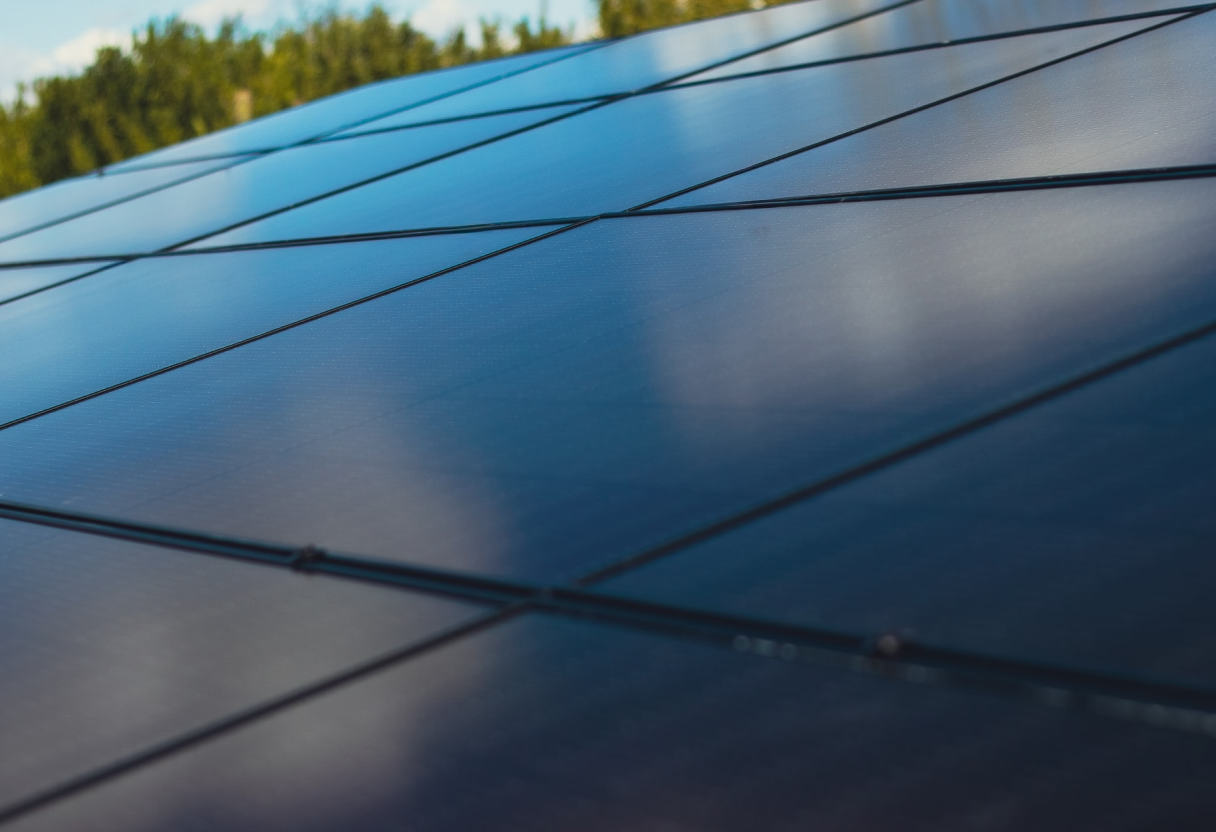
- You lock in a cost of power. Energy produced on your roof doesn't get repriced when the grid gets tight. A fixed solar payment today replaces an unknowable utility rate tomorrow.
- Every rate increase makes your system worth more. Solar savings are the gap between your cost of production and the utility's price. If the forecasts are even half right, that gap widens every year.
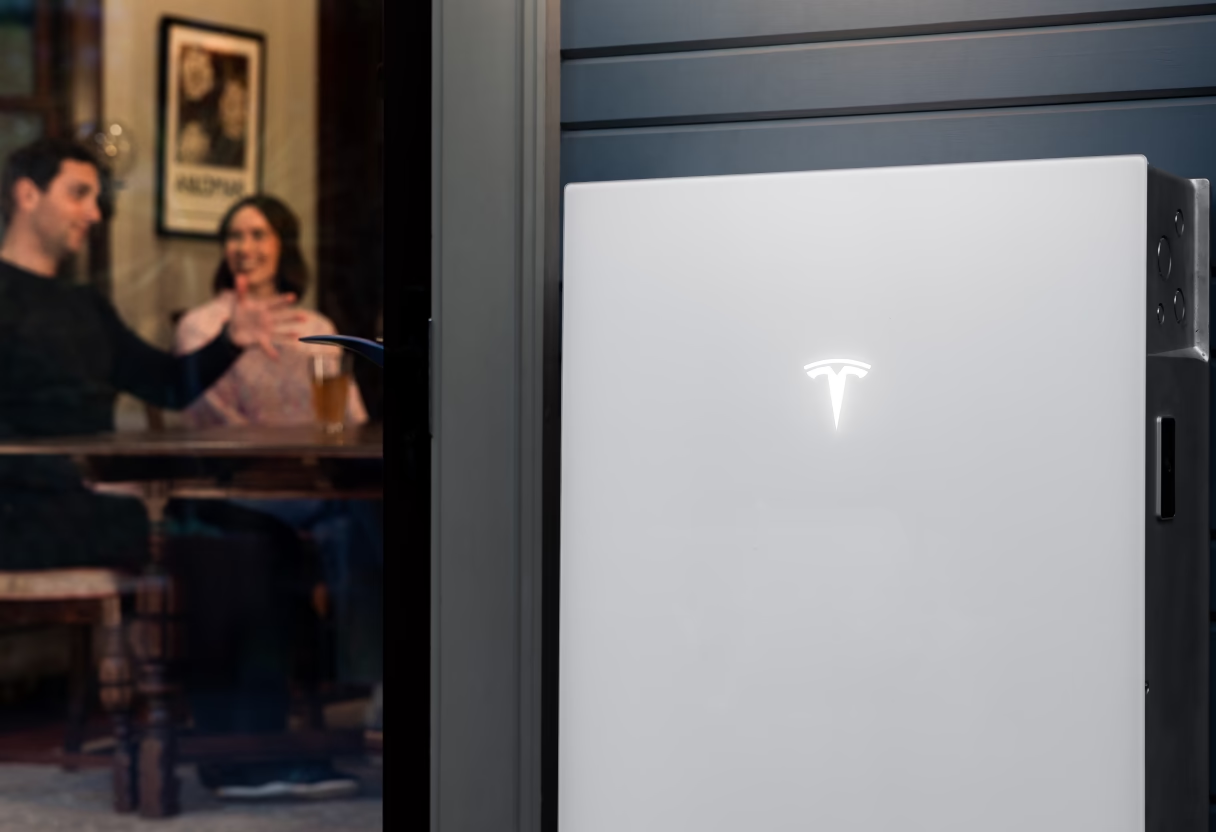
- A battery multiplies the hedge. Storage lets you ride through peak pricing hours and outages, and grid stress is precisely when peak pricing bites hardest. See our Powerwall 3 program.
The difference is whether your power price is set by the market, or by the equipment on your own roof.
Frequently asked questions
Are data centers really the reason electricity prices are rising?
They're a major driver, not the only one. Fuel costs, wildfire hardening, and grid upgrades matter too. But independent analyses, from the EIA's ERCOT price scenarios to PJM's $23 billion figure, point to data-center demand as the largest new force pushing rates upward.
Won't data centers be required to pay for their own power infrastructure?
Utilities in all three states are proposing rules to do that, and regulators are reviewing them. Whether those protections fully insulate households is an open question, which is the risk solar removes from your side of the table.
Does going solar actually protect me from rate increases?
Yes, for the portion of power you produce and use in your home. Your solar cost is fixed the day you sign; utility rates are not. The bigger the future increases, the more a system saves versus doing nothing.
Is this happening outside Arizona, Texas, and Nevada?
Yes. Mid-Atlantic and Midwest states on the PJM grid have already absorbed billions in data-center-driven costs. The Southwest's build-out is newer, which means the window to get ahead of it is still open.
The bottom line
The Southwest is becoming the server room of the AI economy. Someone will pay for that build-out, and the forecasts suggest households will carry more of it than anyone is promising today. You can't control what data centers do to the grid. You can control whether your home depends on it.
Get a free solar assessment and lock in your cost of power →
Video transcript
See what solar can do for your home
Get a free, no-obligation estimate designed around your roof, your bills, and your utility's rate plan.