Is Solar Worth It in Texas in 2026?
Texas has the sun and the bills for solar, but the answer depends on your retail provider, your roof, and how you finance it. Here's how to figure out whether it works for your home.
Quick answer
For most Texas homes, yes, but it depends on three things: your retail electricity provider's solar buyback terms, your roof, and how you finance the system. Texas has no statewide net metering, so buyback rates vary by provider. The federal homeowner credit ended after 2025, while Texas still exempts 100% of solar's added home value from property tax.
Is solar worth it in Texas?
For most Texas homes, yes, but the honest answer depends on three things that vary more here than almost anywhere: your electricity provider, your roof, and how you finance it.
Texas has the sun and the bills to justify solar. Household consumption runs well above the national average, driven by air conditioning from spring through fall. What Texas doesn't have is a uniform answer, because the deregulated market means your neighbor's solar math might look nothing like yours. Here's how to figure out whether it works for your home.
Why does your electricity provider matter so much in Texas?
This is the first thing to check, and the one most Texans skip. Texas is deregulated, so there's no statewide net metering. Your retail electricity provider decides whether to offer a solar buyback plan and at what rate, and those terms vary enormously. Some credit near retail. Many credit well below it. Some cap how much they'll buy back or require a specific plan. Some offer nothing.
Two identical homes on the same street can see completely different returns based on who they buy power from. Before you get quotes, find out what your provider offers and whether switching would change your numbers. Any installer who doesn't ask about your provider isn't giving you a real estimate.
Does your home use enough electricity for solar?
Solar makes sense when you're buying a lot of power. If your monthly usage is low (under roughly 500 kWh), a system may never pay for itself. Most Texas homes clear that bar comfortably. Summer A/C load drives it, and it's also why annual averages mislead: your July bill and January bill are barely the same product. Size to the summer, not the average, and pull your last 12 months of usage before you talk to anyone.
Will your roof work for solar?
- Orientation: south-facing captures the most annual production. West-facing produces later in the day, which can be worth more depending on your rate plan. North-facing is weakest.
- Shading: trees, chimneys, and neighboring structures matter more than most people expect. A partially shaded array underperforms significantly.
- Pitch: roughly 20–30° is ideal at Texas latitudes, though good systems get designed on plenty of roofs outside that range.
- Usable area: vents, skylights, and chimneys eat space. You need enough clear surface for a system that offsets meaningful usage.
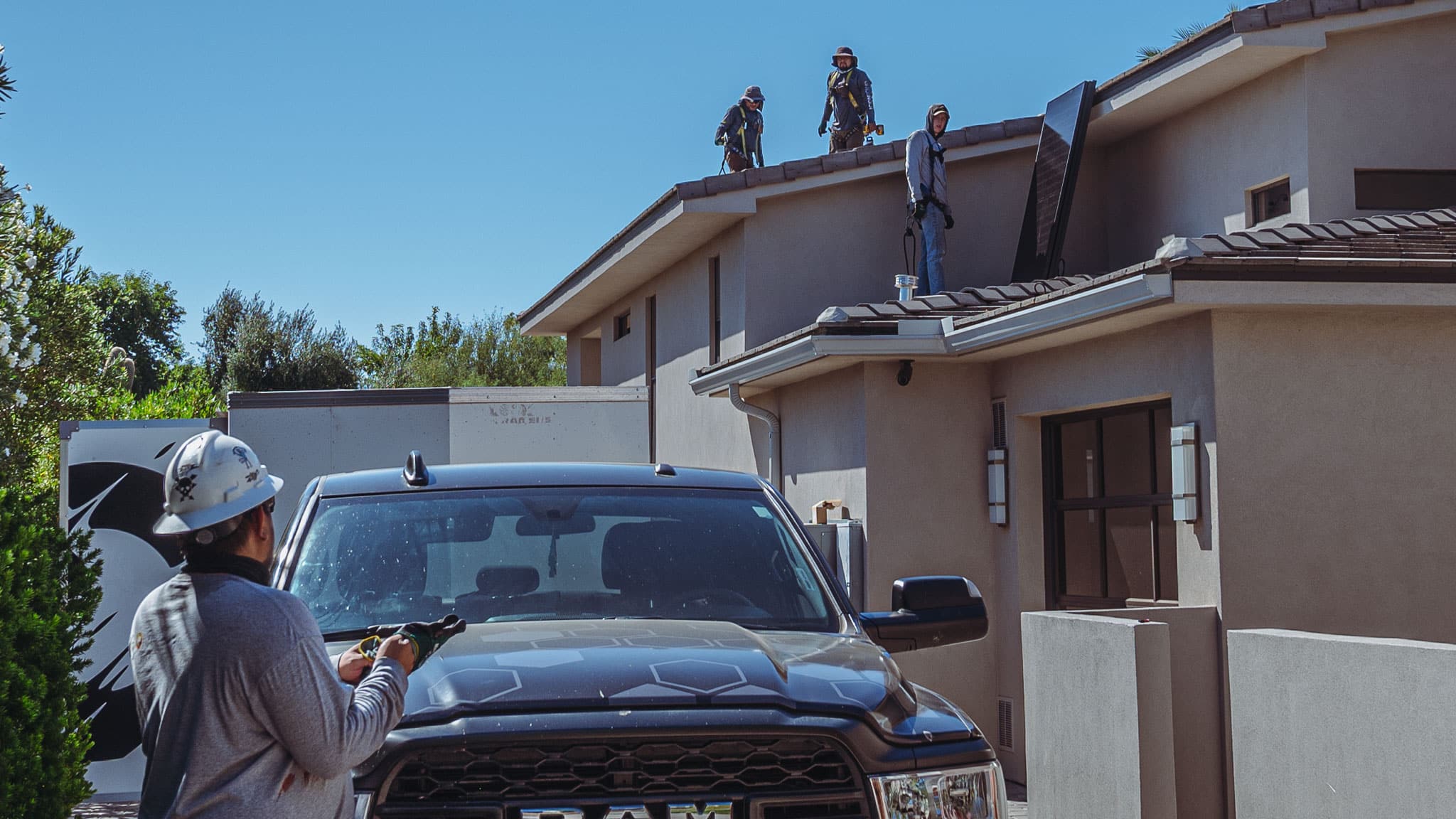
- Age and structure: panels stay up there 25+ years. If your roof is near end-of-life, replace it first. Pulling panels off to reroof later costs thousands in avoidable labor.
What equipment works best for Texas weather?
Panel and inverter quality determine how your system performs over decades. Texas adds a specific consideration: hail, high winds, and severe storms. Warranty terms and hail ratings deserve more attention here than in most markets. Ask about them specifically, and about who honors the warranty if the installer goes out of business.
What solar incentives are available in Texas in 2026?
Federal: the 30% homeowner solar credit expired December 31, 2025. If you buy a system with cash or a loan in 2026, there's no federal credit. The One Big Beautiful Bill Act, signed July 2025, ended it outright with no phase-down.
The 30% credit still exists under Section 48E for third-party owned systems (leases and PPAs), where the system's owner claims it and passes the value to you as a lower monthly payment. That's currently the only route to federal credit value on a residential system. See our federal tax credit guide.
Property tax exemption: Texas exempts 100% of the value your solar system adds to your home's appraisal. Your home is worth more; your tax bill isn't. With no state income tax, this is the state-level benefit that matters most.
Solar buyback: provider-dependent, and the biggest variable in your math.
Local rebates: some Texas utilities and municipalities offer their own, but they vary by service territory and change frequently.
General information, not tax advice. Consult a tax professional about your situation.
Will solar panels power my home during a Texas outage?
Not by themselves. When the grid goes down, grid-tied systems shut off automatically, a safety requirement so power doesn't flow onto lines utility crews are working on. Your panels can be in full sun and your house will still be dark.
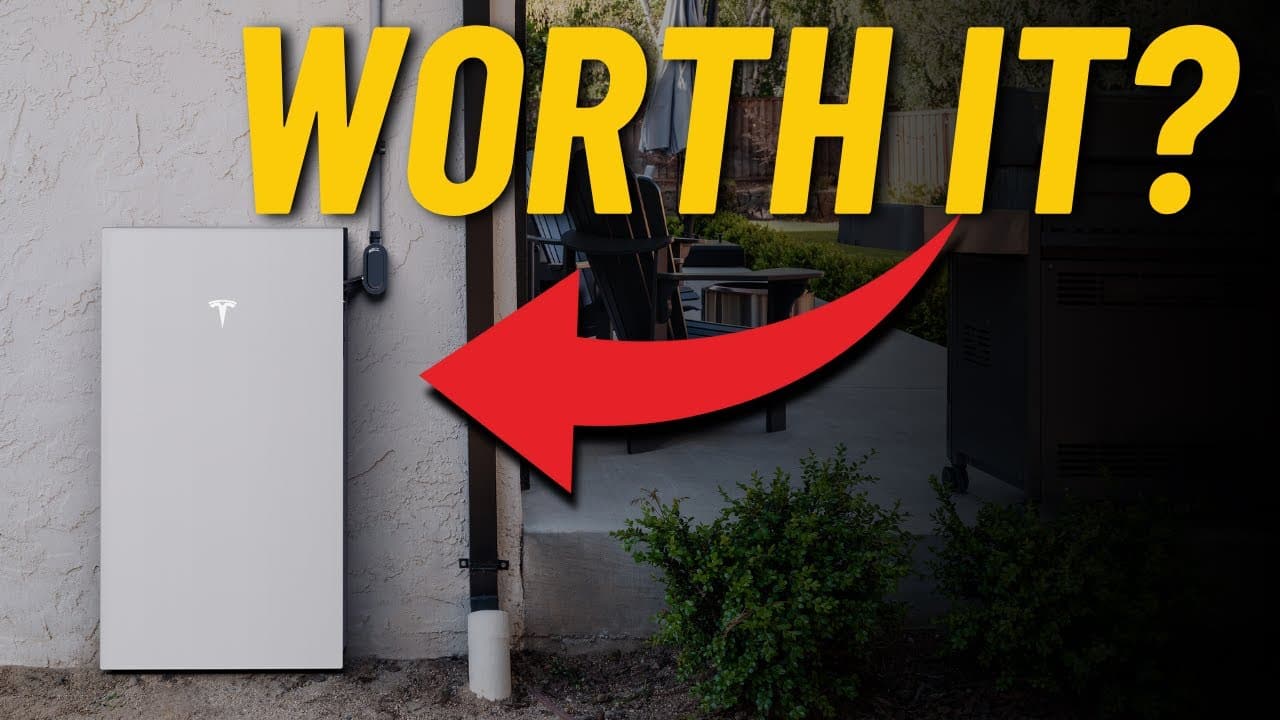
Only battery storage changes that. A battery lets your system disconnect from the grid and keep running your home on stored and live production. If grid reliability is part of why you're considering solar, design it in from the start. See should you add a Powerwall.
Can an HOA stop you from installing solar in Texas?
No. Texas law protects your right to install solar. HOAs cannot prohibit solar panels, though they may impose reasonable conditions on placement and appearance.
Does solar increase home value in Texas?
Homes with owned solar systems generally sell for more than comparable homes without them, and the property tax exemption means that added value doesn't raise your assessment. Ownership matters: a third-party owned system doesn't add resale value the way an owned system does, because the buyer inherits a contract, not an asset. If resale is part of your reasoning, let that shape your financing choice.
So, is it worth it?
For most Texas homes with decent sun exposure and a real electric bill, yes. But 2026 changed the math. Without the federal homeowner credit, purchase paybacks are longer, and the choice between cash, loan, and third-party ownership is now about where the credit value lands.
We'll pull your actual usage, check what your provider offers, and model what solar does to your bill. If it doesn't pencil out for your home, we'll tell you. We'd rather lose a sale than sell someone a system that doesn't work. See solar in Texas →
Frequently asked questions
Does Texas have net metering?
No, not statewide. Your retail electricity provider sets its own solar buyback terms, so compare plans before you go solar.
Is there a solar tax credit in Texas in 2026?
There's no federal credit for homeowners who buy a system in 2026, and Texas has no state income tax credit. Texas does exempt 100% of solar's added value from property tax, and third-party owned systems can pass federal credit value through to you.
Do solar panels work during a power outage in Texas?
Not on their own. Grid-tied panels shut off during outages for safety. You need battery storage to keep power on.
Can my HOA block solar panels in Texas?
No. Texas law prevents HOAs from prohibiting solar, though they can set reasonable placement and appearance rules.
Video transcript
See what solar can do for your home
Get a free, no-obligation estimate designed around your roof, your bills, and your utility's rate plan.